
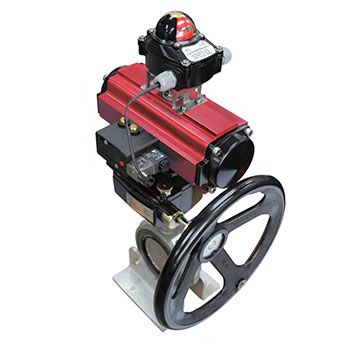
In modern industrial systems, precise flow control is critical for safety, efficiency, and automation. One component that plays a vital role in this process is the pneumatic actuator valve. Widely used across oil & gas, water treatment, chemical processing, HVAC, and manufacturing industries, this valve-actuator combination ensures reliable and automated control of liquids and gases. Understanding how it works, where it is used, and how to choose the right supplier can help engineers and buyers make informed decisions.
Understanding a Pneumatic Actuator Valve
A pneumatic actuator valve is a valve operated using compressed air rather than manual force or electrical power. The valve itself controls the flow of media, while the pneumatic actuator converts air pressure into mechanical motion to open, close, or regulate the valve position. This setup is preferred in industrial environments where safety, speed, and reliability are essential.
Unlike electric actuators, pneumatic systems are well-suited for hazardous or explosive environments because they do not rely on electrical sparks. This makes them especially popular in refineries, chemical plants, and offshore applications.
How a Pneumatic Actuator Valve Works
The working principle of a pneumatic actuator valve is straightforward yet highly effective. Compressed air is supplied to the actuator chamber, where it pushes against a piston or diaphragm. This movement is then transferred to the valve stem, causing the valve to open or close depending on the design.
When air pressure is released or redirected, a spring or opposing air chamber returns the valve to its original position. This is why pneumatic actuator valves are often described as either “spring return” or “double acting.” The entire process allows for fast response times and consistent operation, even in demanding industrial conditions.
Types of Pneumatic Actuator Valves
Pneumatic actuator valves come in several configurations, each designed for specific applications. Common valve types include ball valves, butterfly valves, globe valves, and gate valves, all of which can be paired with pneumatic actuators. The actuator itself may be rotary or linear, depending on the valve movement required.
Single-acting pneumatic actuators use air pressure in one direction and a spring for return, making them ideal for fail-safe applications. Double-acting actuators use air pressure for both opening and closing, offering greater control and higher torque for heavy-duty operations.
Key Benefits in Industrial Applications
The popularity of pneumatic actuator valves is driven by their durability and performance. They are known for fast operation, low maintenance requirements, and long service life. Because compressed air is readily available in most industrial plants, integration into existing systems is seamless.
These valves also perform exceptionally well in extreme temperatures and harsh environments. Their simple construction reduces the risk of failure, making them a preferred choice for critical flow control systems where downtime is costly.
Common Applications Across Industries
Pneumatic actuator valves are widely used in industries that require precise and automated flow control. In oil and gas facilities, they regulate the flow of fuel and chemicals. In water treatment plants, they control filtration and distribution systems. Manufacturing units rely on them for process automation, while HVAC systems use them to manage airflow and temperature efficiently.
Their versatility makes them suitable for both on-off control and modulating applications, depending on the actuator and control accessories used.
Choosing the Right Pneumatic Actuator Valve Supplier
Selecting the right pneumatic actuator valve is not just about specifications; it also depends on choosing a reliable manufacturer or supplier. Factors such as build quality, compliance with international standards, customization options, and after-sales support should be carefully evaluated. For buyers in the Middle East, working with a trusted supplier in the UAE ensures faster delivery, local technical support, and products designed for regional operating conditions.
Conclusion
A pneumatic actuator valve is a cornerstone of modern industrial automation, offering safe, efficient, and reliable flow control across a wide range of applications. By understanding how these valves work and where they are best used, engineers and industrial buyers can make smarter purchasing decisions. For long-term performance and peace of mind, it is always advisable to partner with an experienced and reputable pneumatic actuator valve manufacturer or supplier in the UAE who understands local industry needs and global quality standards.